Exploring Thai cuisine might be overwhelming. This is because the food is diverse. However, you do not need a list of famous places to enjoy Bangkok’s food. What matters is learning how to read menus. You should also observe local behavior.
These tips will help you learn more about Thailand’s food culture.
Sample simple dishes first, then the complex ones
Start with simple and daily meals, like:
- Pad Kra Pao
- Khao man gai
- Tom yum.
These meals will give you an insight into the flavors of Thai food. This includes:
- Saltiness
- Acidity
- Sweetness
- Heat.
After that, you can enjoy more complex curries. Or you can jump into local delicacies.
Some people jump directly to fancy food. But this can make it hard to differentiate quality.
Eat according to the time
There is a significant relationship between time and food quality. Certain foods are cooked in the morning. Others are prepared in the late afternoon.
Want noodle soup? Visit the best Thai restaurant in Soi 11 early. The broths are freshest during this time. Want grilled meats? These are mostly at their finest in the evening.
Observe when locals consume certain foods. This way, you will have a better experience.
Observe before ordering
You need to look around the kitchen and the customers before placing your order.
- Is the restaurant always full? This typically reflects consistency.
- Does the restaurant have a brief menu? This can indicate attention to detail.
- Do most of the diners order the same food? This may indicate a trusted specialty.
Know regional differences
Bangkok food is a fusion of influences from:
- Central
- Northeastern
- Southern
- Northern Thailand.
Ask whether a dish is:
- Isaan style
- Southern
- Central Thai.
The spice level and seasoning vary greatly.
Inquire about the food’s region of origin. This can result in healthier ordering choices. You also get to avoid unpleasant surprises.
Adjust spice responsively
Spice tolerance varies widely. You must not insist on very spicy food. Unless you are sure of your capabilities. Most kitchens cook at the local standard level of heat unless specified otherwise.
Should you wish to add or remove spice, do it very gradually. Thai food is structured to allow spices to assist its flavor.
Use condiments as intended
Thai table condiments are included in the dish, rather than added. We are talking about:
- Fish sauce
- Vinegar
- Chili flakes
- Sugar.
Use these as desired to suit your flavor preference. You must taste, then add sparingly. Many people over-season before tasting. This can obscure the balance that the cook is trying to achieve.
Try different environments
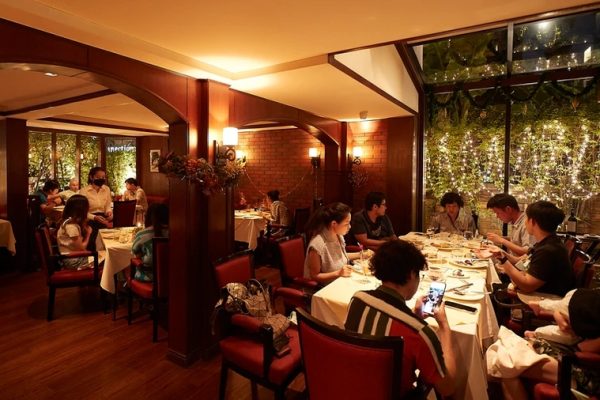
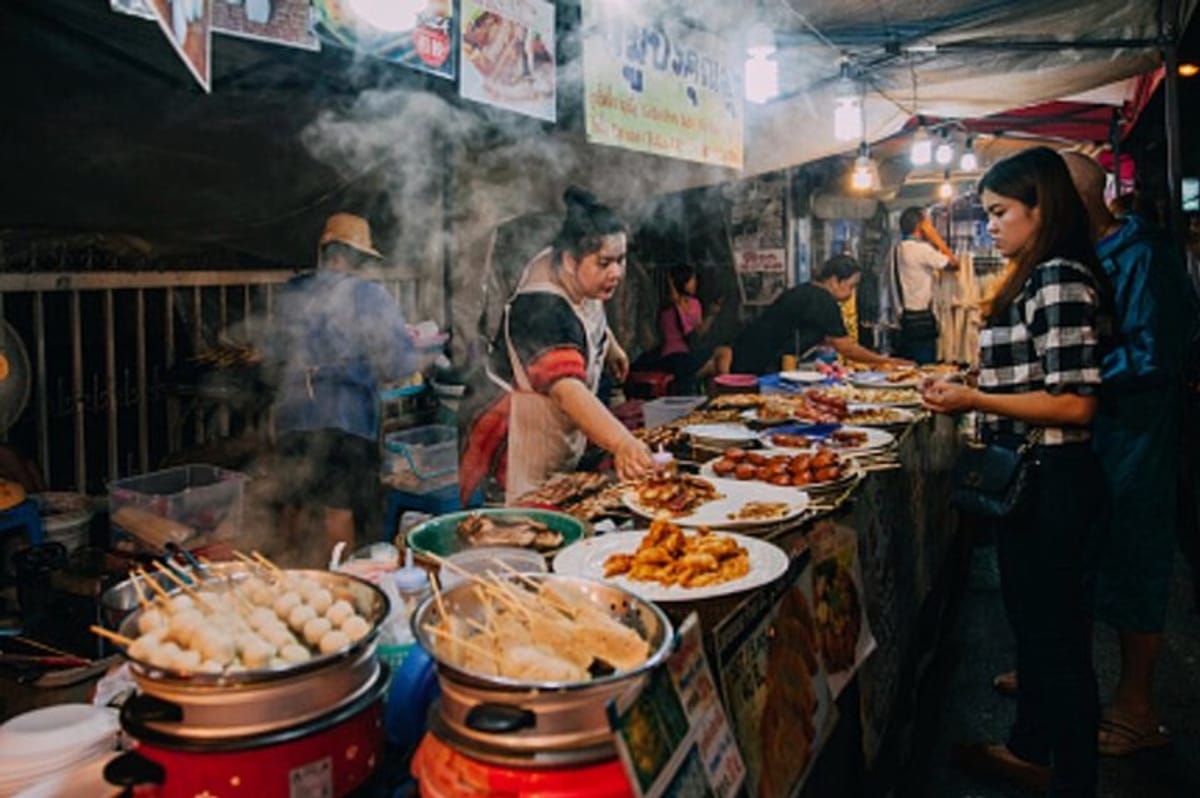
In Bangkok, the price is not a good measure of quality. Dine in various environments:
- Street stands
- Food kiosks
- Restaurants.
For instance, small outlets prepare the same food every day. They often offer some of the most consistent meals.
When you try different eateries, you will understand Thai cuisine better. You also get to explore different flavors.
The takeaway
To discover Thai food in Bangkok, take your time and watch trends. You learn better by observing the time and the locals.